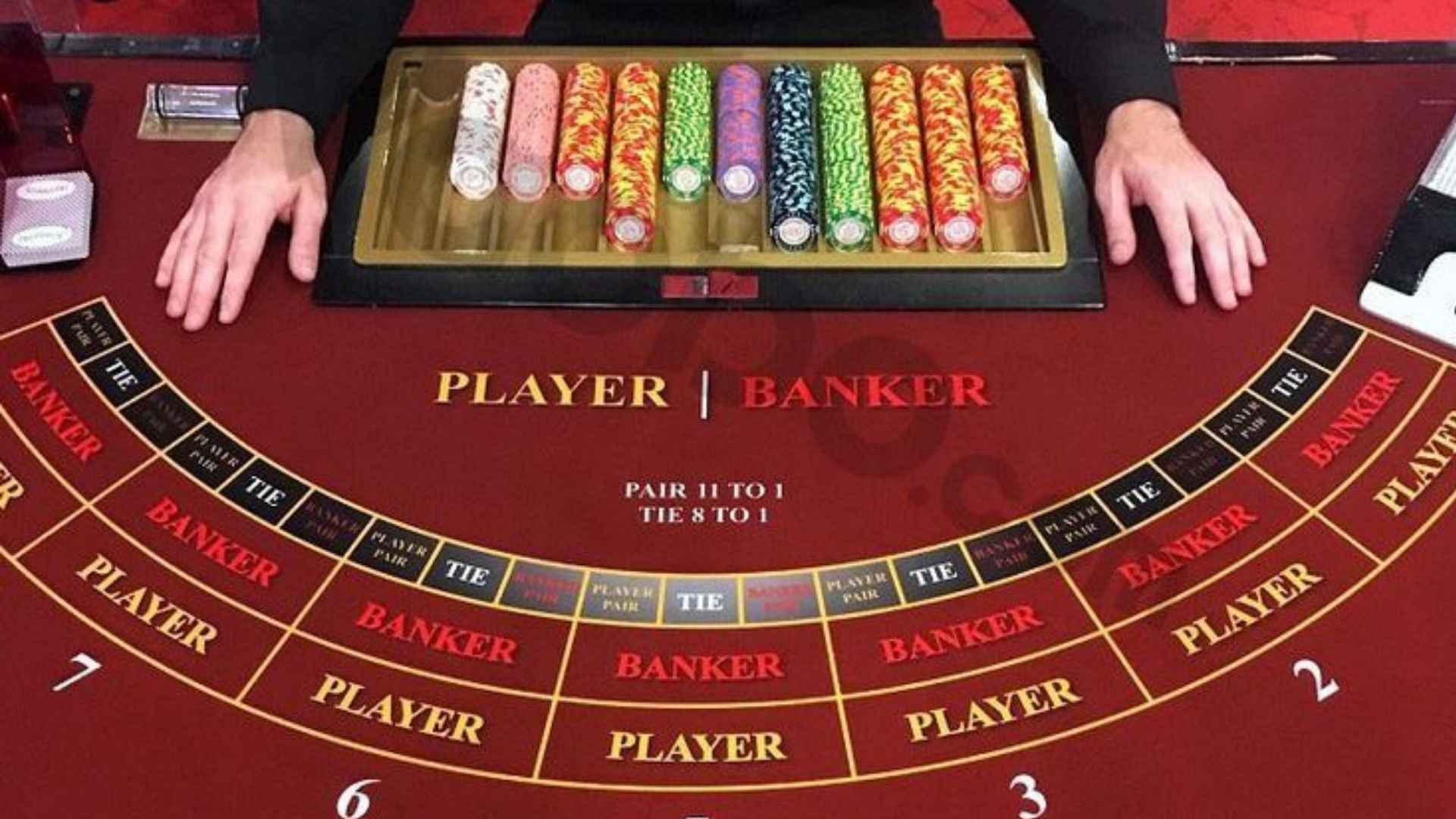
Engaging in tabletop gaming is far more than a simple way to pass the time with friends or family. Many of these classic and modern challenges serve as excellent cognitive workouts that naturally sharpen your ability to plan ahead and read complex situations. By forcing players to anticipate opponents' moves and manage limited resources, certain table games act as a practical laboratory for developing real-world strategic awareness.
The Multi-Layered Decisions of Modern Board Games
Modern tabletop designs have evolved significantly beyond basic roll-and-move mechanics to emphasize deep tactical planning and resource management. Players must constantly weigh short-term gains against their long-term objectives while adapting to the unpredictable choices of their competitors. This dynamic environment trains the brain to remain flexible and look at problems from multiple angles before committing to a decision.
Furthermore, many of these games feature complex asymmetrical roles where each player possesses unique abilities and distinct victory conditions. Navigating these scenarios successfully requires a high level of situational awareness and the ability to negotiate effectively with rival players. Over time, practicing these interactions helps individuals anticipate potential risks and opportunities in their daily professional lives.
Card Games and the Calculation of Risk
Classic card games offer another exceptional arena for testing and refining your intellectual discipline under pressure. Success in these games relies heavily on mathematical probability, risk assessment, and the psychological reading of other players around the layout. Players must learn to calculate their exact odds of success while maintaining complete emotional control during tense moments.
By understanding when to push an advantage and when to retreat, players develop a highly sophisticated approach to risk management. For those interested in exploring modern platforms that offer these intellectually stimulating challenges, visiting a trusted destination like M88asia can provide a great environment to practice and refine your approach. Consistently analyzing card distributions and opponent behaviors builds a structured mindset that is highly transferable to high-stakes decision-making.
Chess and the Art of Long-Term Foresight
No discussion of strategic development is complete without highlighting chess, a timeless game of perfect information where luck plays absolutely no role. Every single movement on the board has direct, cascading consequences that can alter the course of the match many turns down the line. This demanding setup forces players to visualize multiple potential scenarios and construct highly detailed contingency plans.
Playing chess regularly helps individuals develop patience and teaches them to look at the board from their opponent's perspective. Understanding your competitor's potential responses is crucial for constructing a defense that can withstand unexpected tactical shifts. This deep level of mental preparation directly enhances an individual's capacity for foresight and disciplined execution in any complex environment.