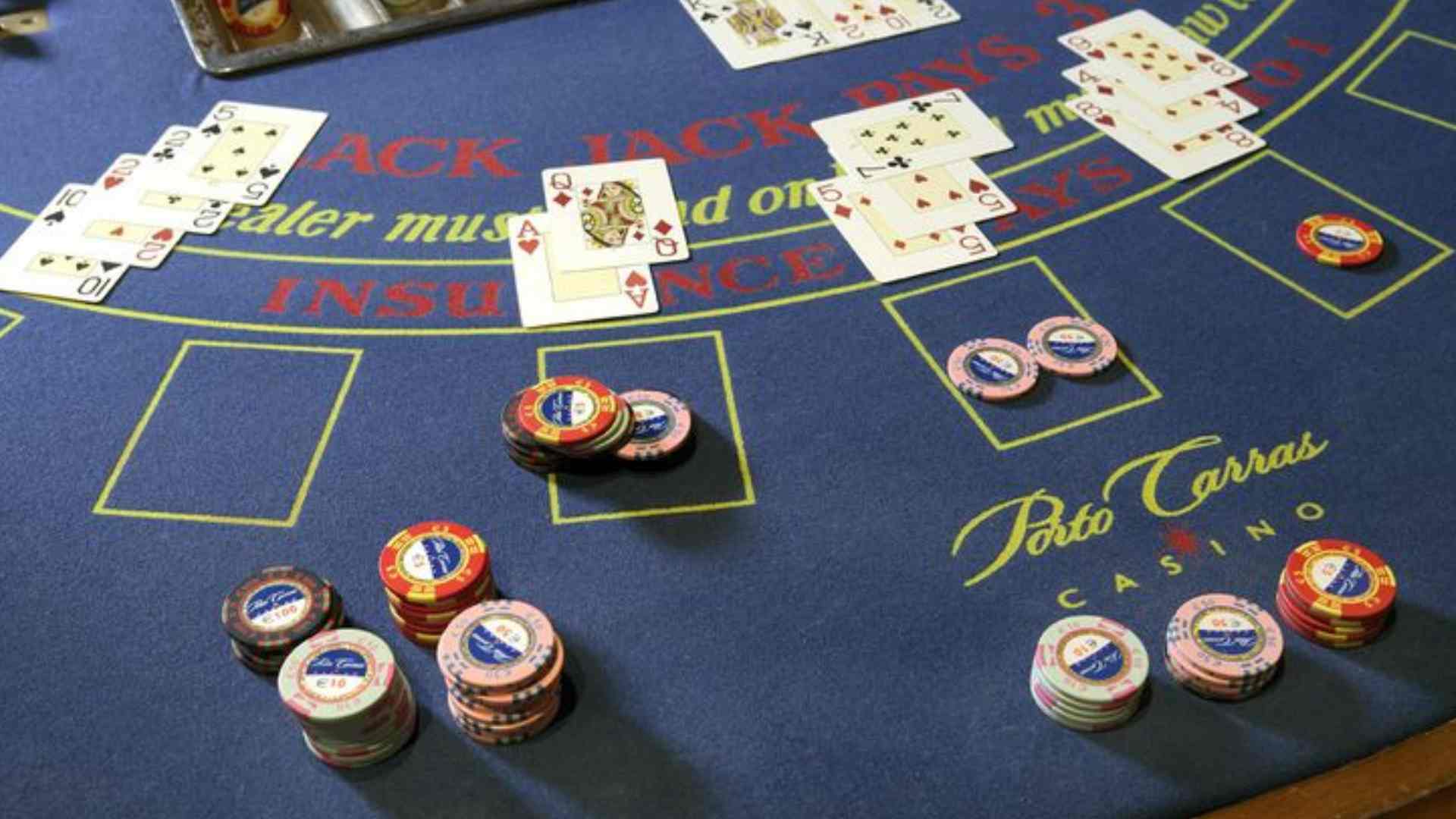
Entering a casino floor or logging onto a digital gaming platform brings an exciting atmosphere filled with possibilities. However, behind the flashing lights and spinning wheels lies a precise mathematical foundation that dictates every outcome. Understanding how these probabilities work is the single most important step for any player looking to make informed decisions and improve their gaming experience.
The Mathematical Reality of the House Edge
Every casino game is designed with a built-in mathematical advantage known as the house edge. This percentage represents the average proportion of wagers that the operator retains over an extended number of rounds. Because the odds are structured in favor of the venue, short-term luck remains the main factor behind individual winning sessions.
Understanding this concept helps players maintain realistic expectations whenever they place a bet. Games like blackjack or baccarat generally offer a lower house advantage compared to slot machines or specialty titles. Players who research gaming platforms on sites like M88 company often seek out titles with higher return metrics to maximize their entertainment value.
Probability Versus Payout Odds
A common misconception among casino visitors is confusing probability with actual payout odds. Probability measures the exact mathematical likelihood of a specific event occurring, such as rolling a specific number on dice. Payout odds, on the other hand, represent the ratio paid out by the house when that event actually happens.
Casinos generate their profit by offering payouts slightly lower than the true mathematical probability of winning. For example, a single-zero roulette wheel features 37 numbers, giving a single number bet a 1 in 37 chance. However, the payout for hitting that exact number is typically 35 to 1, creating the standard margin for the house.
Strategies to Optimize Your Gameplay
While no strategy can overcome the house edge permanently, smart gameplay methods can reduce unnecessary losses. Utilizing basic strategy charts in games like blackjack minimizes human error and brings the house margin to its lowest possible level. Choosing table games with simple, low-margin bets is generally more advantageous than placing complex side wagers.
Bankroll management plays an equally vital role in prolonging play sessions and protecting funds. Setting strict win and loss limits before playing prevents emotional decisions driven by chasing temporary losses. Disciplined players treat casino spending as entertainment expense rather than a reliable method for generating income.
Recognizing the Variance in Short Sessions
Variance describes the natural fluctuations in game outcomes over brief periods of time. High variance games yield larger payouts less frequently, while low variance titles offer smaller, consistent wins. Understanding variance prevents players from mistaking temporary winning streaks for guaranteed mathematical trends.
Ultimately, winning at the casino depends on managing risk, recognizing probability, and enjoying the process responsibly. By understanding what the odds truly mean, players can navigate gaming floors with clarity and confidence.